How to Get Rid of Bad Tenants in California (2026 Legal Guide)
In California, you cannot legally remove a tenant without either a court-ordered eviction or a voluntary move-out agreement, such as cash for keys. Lockouts, utility shutoffs, and other “self-help” tactics are illegal under Civil Code §789.3, even if the tenant owes months of rent.
Introduction
It’s 11 p.m. You’re reading another noise complaint from the downstairs neighbor. Rent hasn’t been paid in six weeks. A strange smell is drifting from under the door, and it’s raising more questions than answers. Now all you want is a legal, fast, and permanent solution.
If you’re searching for How to Get Rid of Bad Tenants in California, start here: take a breath. I’ve talked to enough landlords in this exact situation to know the first instinct that hits: Change the locks. Don’t. That single move can cost you more than the unpaid rent ever did, and we’ll get into exactly why in a minute.
At lawlifts.com, you won’t get a flat menu of “5 tips” with no context.
You’ll get a real decision system for legal strategies for dealing with problematic tenants: how to identify the kind of bad tenant you’re dealing with, which notice fits the behavior, what the process can actually cost, how long it can take in 2026, and which faster paths may help you avoid court altogether.
How to Spot Bad Tenants: 13 Red Flags
Not every difficult tenant can be legally evicted. California courts focus on specific facts, lease violations, and legally recognized grounds for removal.
Before taking action, it’s important to understand which tenant behaviors actually qualify for eviction under California law.
- Large Upfront Rent Offer: An offer to pay several months of rent upfront may seem attractive, but it can also indicate potential risk.
- Rent Payment Issues: Missed rent, unpaid balances, or repeated late payments.
- Unauthorized Occupants: Someone living in the unit without approval or not listed on the lease.
- Nuisance Behavior: Conduct that seriously disturbs neighbors, affects other tenants, or interferes with the peaceful use of the property.
- Smoking in a Smoke-Free Unit: Ignoring smoke-free rules can create odor issues and lease compliance problems.
- Property Damage: Damage beyond normal wear and tear, including broken fixtures, damaged walls, or unsafe conditions.
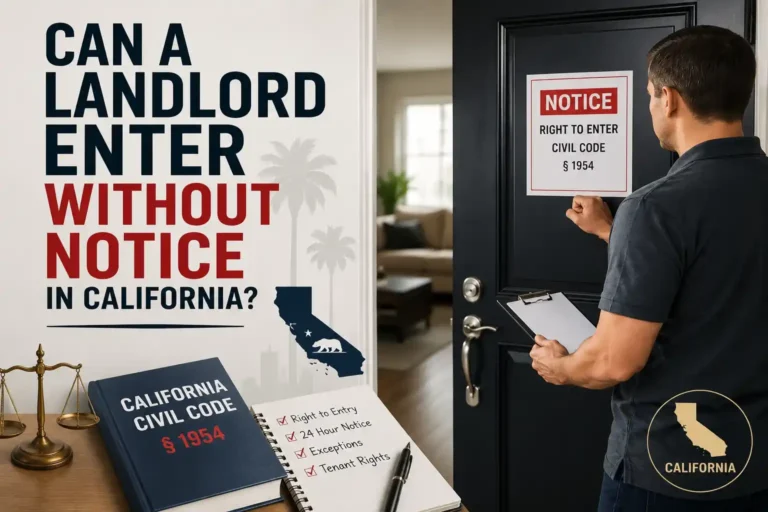
- Refusal of Lawful Entry: Refusing lawful entry after proper notice may violate the lease or California access rules.
- Illegal Use of the Premises: Drug sales, stolen goods, illegal business activity, or other criminal conduct on the property.
- Incomplete Application: Missing required details, documents, or identification.
- Undisclosed Pets: Pets that were not listed on the rental application.
- Inconsistent Information: Applicant details that do not match supporting documents, employment history, income records, or references.
- Fake or Suspicious Income Documents: Pay stubs, bank statements, or income records that appear altered or difficult to verify.
- Overly Detailed Explanations: Long personal stories that distract from the actual rental requirements.
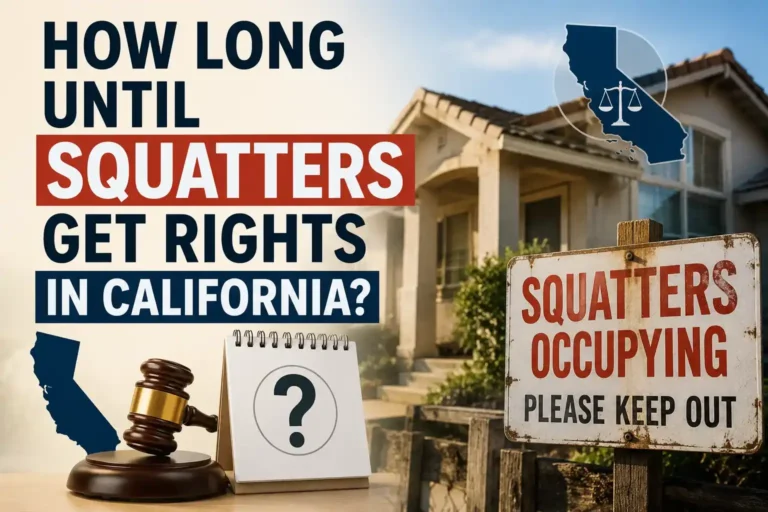
If you are a landlord facing squatters in California, read our detailed guide to understand how squatter rights work, how long adverse possession may take, and what legal steps you can use to protect your property.
The Fastest Lawful Ways to Deal With a Bad Tenant in California
The fastest legal way to deal with a bad tenant in California depends on the specific facts of the situation. Landlords should start by creating a written timeline of the problem before serving any notice, because clear evidence often matters as much as the tenant’s behavior.
Step 1: Fix the issue through written communication
Sometimes a tenant stops bad behavior after a written warning. This is useful for noise, smoking, unauthorized pets, parking issues, trash problems, or minor lease violations.
Use the following checklist to document the problem and build a clear record of what happened:
- Dates and times of every incident, including late rent, noise complaints, and property damage.
- Photos and videos with timestamps, especially when documenting property damage.
- Copies of all communication, including texts, emails, and voicemail transcripts.
- Witness statements from neighbors or other tenants when relevant.
- Receipts for repairs or expenses caused by tenant damage.
- Certified mail receipts for any notices previously served to the tenant.
Keep this in one folder, digital or physical, organized by date. If this ends up in front of a judge, a clean paper trail is the difference between a fast default judgment and a drawn-out fight.
Certified mail vs. personal delivery
Personal delivery is the fastest and cleanest method. Handing the notice directly to the tenant starts the clock on the same day. Certified mail works too, but it’s slower and gives the tenant room to claim they never received it.
If personal delivery isn’t possible, substituted service (leaving it with another adult at the residence and mailing a copy) is the next best option.
Step 2: Choose the Right Legal Path for Your Situation
If the issue is serious or repeated, a written notice may be required before court action. The notice must match the reason.
Decision flow: at-fault vs. no-fault eviction
Ask yourself one question first: Did the tenant do something wrong, or do you need the unit back?
- At-fault causes (tenant did something wrong): Many of the tenant behaviors covered in the red flags section can qualify as at-fault grounds for eviction, no relocation assistance required.
- No-fault causes (landlord-driven reasons): owner move-in, substantial remodel, or removing the unit from the rental market. Relocation assistance is required.
Before You Move Forward, Check Whether AB 1482 Applies
This is the question that trips up more landlords than any other, because the answer changes everything about your timeline and your obligations.
AB 1482 (the Tenant Protection Act) generally requires a valid “just cause” reason to evict a tenant who has lived in a covered rental unit for 12 months or more. Many California rental properties are covered, although certain single-family homes, condos, and newer construction may be exempt.
If your property is covered by AB 1482, a month-to-month tenancy does not automatically give you the right to end the lease. You generally need a valid just-cause reason.
Which Eviction Notice Should a Landlord Give for a Lease Violation in California?
Choosing the wrong notice can delay your case or cause you to lose. The correct notice depends on the reason, the tenant’s lease, how long they have lived there, whether the issue can be cured, and whether state or local just-cause rules apply.
| Notice Type | Common Use | Can the Tenant Fix It? |
|---|---|---|
| 3-Day Notice to Pay Rent or Quit | Nonpayment of rent. | Yes, by paying the valid rent due. |
| 3-Day Notice to Perform Covenants or Quit | Curable lease violations. | Yes, by fixing the lease violation. |
| 3-Day Notice to Quit | Serious nuisance, waste, unlawful use, or incurable violations. | Usually no. |
| 30-Day Notice to Quit | Some shorter tenancies were legally allowed. | Usually no. |
| 60-Day Notice to Quit | Some longer tenancies were legally allowed. | Usually no. |
| 90-Day Notice to Quit | Some subsidized housing or special situations. | Depends on the rule or program. |
| Notice of Belief of Abandonment | Possible abandonment situation. | Special response rules apply. |
Step 3: Negotiate Cash-for-Keys
Cash-for-keys in California is a voluntary agreement where the tenant agrees to move out by a specific date in exchange for money or another benefit. It can be faster and less expensive than court, but it must be handled carefully.
I recommend treating every cash-for-keys discussion as a formal legal transaction, not a casual conversation.
When Cash-for-Keys May Work
Cash-for-keys may be useful when:
- The tenant wants to move but needs money.
- The landlord wants to avoid court.
- The landlord needs possession by a predictable date.
- The tenant is behind on rent and willing to settle.
- The evidence is weak, but the relationship is already broken.
When Cash-for-Keys Can Be Risky
Cash-for-keys can become risky if:
- The tenant feels pressured or harassed.
- The agreement is vague or incomplete.
- Local buyout rules apply.
- The tenant is protected by a local ordinance.
- The landlord fails to document payment and surrender.
Step 4: Non-renewal when legally allowed
Many landlords ask, “Can I refuse to renew a lease in California? Sometimes yes, but not always. If just-cause rules apply, you may still need a valid legal reason to end the tenancy, even when the lease is expiring.
Step 5: File an unlawful detainer
If the tenant does not comply with the notice, the landlord may file an unlawful detainer lawsuit, which is the court process used for eviction in California.
That last step matters. A landlord cannot personally remove the tenant, change the locks, shut off utilities, remove doors, or take belongings to force the tenant out.
Step 6: Let the Court and Sheriff Complete the Process
If the landlord wins the unlawful detainer case, the court may issue a judgment for possession and a writ of possession. The landlord should not remove the tenant personally, change the locks, shut off utilities, or take the tenant’s belongings.
In California, only the sheriff or another authorized officer can complete the final eviction step after the court issues the proper order.
Cash-for-Keys Agreement: How Much to Offer and What to Include

Quick Answer
Cash-for-keys amounts vary widely depending on rent, eviction costs, property location, tenant leverage, and local laws. In many standard rental situations, landlord guides commonly suggest offers around half to two months’ rent, or roughly $1,000–$3,000, but there is no fixed national average.
In rent-controlled markets, amounts can be much higher. For example, Los Angeles City Controller data shows an average tenant buyout amount of about $25,068.87 for filed agreements from January 2019 through July 2025. Always put the agreement in writing, follow local disclosure rules, and make sure every adult occupant signs.
The reason cash-for-keys keeps showing up in successful landlord strategies is simple: a formal eviction can be expensive, slow, and unpredictable.
By comparison, a successful cash-for-keys agreement can often resolve the situation within days or weeks, rather than dragging on for months. When delays, unpaid rent, property risk, and wasted time are considered together, negotiating a clean move-out often becomes the more practical choice.
What to Include
A cash-for-keys agreement should not be handled casually or based on verbal promises. To avoid confusion, the agreement should clearly spell out the payment terms, move-out expectations, property handover details, and any local legal requirements.
Simple checklist:
- Payment amount.
- Payment timing.
- Move-out date and time.
- Property condition.
- Return of keys/access devices.
- Security deposit handling.
- Tenant release of possession.
- Signatures from all adult occupants.
- Local disclosure or filing rules.
How Much Does It Cost to Evict a Tenant in California?
Evicting a tenant in California can cost far more than the court filing fee alone. While filing an unlawful detainer case typically costs $240 to $450, the total expense can increase significantly once service fees, attorney fees, sheriff enforcement costs, and lost rent are factored in.
Attorney Fees (If the Case Is Contested)
Attorney fees are often one of the largest eviction expenses. While costs vary widely, a contested case can add thousands of dollars in legal fees, particularly if the dispute requires multiple hearings, motion practice, or a trial.
Service and Enforcement Costs
In addition to filing fees, landlords may need to pay for service of process to deliver court documents to the tenant properly. If the eviction is successful, additional sheriff enforcement costs may apply to regain possession of the property.
Lost Rent During the Process
Lost rent is often the most expensive part of an eviction. Every week a non-paying tenant remains in the property can increase the landlord’s financial losses, sometimes exceeding the court and legal costs combined.
How Long Does an Eviction Process Take in California?
A California eviction can take as little as 30 to 45 days, but many cases take longer. If the tenant contests the eviction, raises legal defenses, or the court has scheduling delays, the process can extend to several months.
Uncontested Timeline (30 to 45 Days)
If the tenant does not respond to the lawsuit, the eviction process may be completed in as little as 30 to 45 days. However, court schedules, service requirements, and local procedures can still affect the timeline.
Contested Timeline (Several Months)
If the tenant files a response and raises defenses such as habitability issues, retaliation, discrimination, or improper notice, the case may proceed to hearings or trial. In these situations, the eviction process can take several months to resolve.
How Landlords Can Avoid Retaliation and Counterclaims
Eviction cases can become more complicated when they follow a recent tenant complaint. If a tenant recently reported repair issues, code violations, or other legal concerns, the landlord should ensure the reason of eviction is clearly documented and unrelated to that complaint.
To reduce that risk:
- Make sure the eviction reason is clear before serving notice.
- Avoid filing right after a tenant complaint unless the reason is already well established.
- Do not use emotional, threatening, or pressure-based language.
- Keep the eviction focused on lease violations, nonpayment, or another valid legal reason.
- Check local rules if the tenant recently reported repairs or housing conditions.
This is the section that protects you from the single most common way a bad tenant flips the script back on the landlord.
California Landlord Mistakes That Can Create Legal Trouble
This is one of the most important things landlords should understand. When a tenant breaks the lease, a landlord may feel tempted to take control quickly. But in California, using the wrong method can create serious legal trouble.
| Illegal Landlord Action | Possible Consequence |
|---|---|
| Locking out or changing locks without a court order. | Damages, attorney’s fees, and possible injunction. |
| Shutting off water, gas, heat, or electricity. | Damages and legal claims. |
| Removing the tenant’s belongings. | Money damages and legal liability. |
| Threatening or harassing the tenant. | Case delays and liability. |
| Entering the rental unit without proper notice. | Tenant claims and legal defenses. |
| Refusing repairs to pressure the tenant. | Eviction defenses and possible habitability claims. |
| Calling the police to remove a lawful tenant. | No legal removal without a court process. |
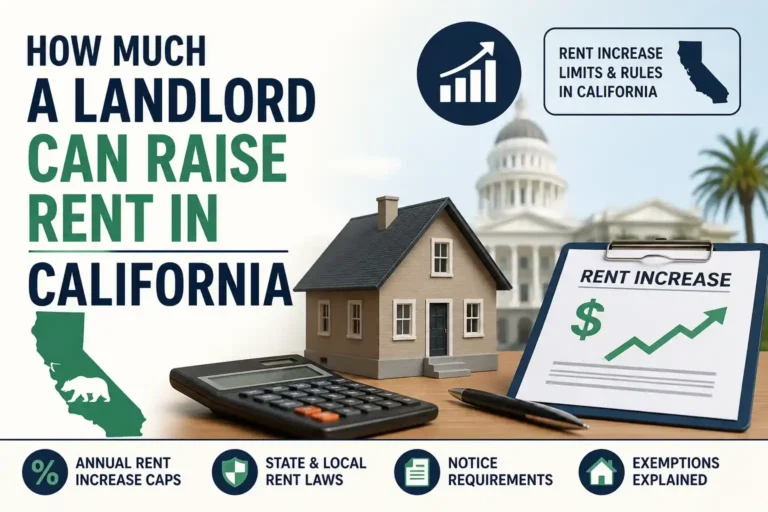
One common landlord mistake is raising rent without first reviewing [California rent increase rules for landlords], which can lead to improper notices, illegal rent hikes, or violations of local rent-control laws.
In California, landlords should avoid self-help eviction and follow the legal court process. Only a Sheriff or Marshal can complete the final eviction after the court gives the proper order.
When a Landlord May Not Need to Give An Eviction Notice
Most eviction cases require proper notice before filing in court, but some situations may allow a landlord to move forward without serving a separate notice first. These exceptions depend on state and local law, so landlords should confirm the rule before filing.
The following exceptions may apply:
- Fixed-term lease ends.
- The tenant gave notice but did not leave.
- The tenant works for the landlord and lives on the property.
Can a California Landlord Evict a Tenant Without Hiring a Lawyer?
Yes, a California landlord can file an eviction without hiring a lawyer, but it is risky because the process is strict, technical, and deadline-based.
Many people prefer contingency-based lawyers because they do not want to pay large upfront legal fees. However, in eviction cases, most attorneys charge flat or hourly fees because the main goal is to recover possession of the property, not to win a financial settlement.
Here’s why hiring an attorney is usually the safer option:
- A proper written notice must be served before filing an eviction.
- Court forms and deadlines must be handled correctly.
- Tenants may raise defenses that can delay or challenge the case.
- Local California city rules may add extra tenant protections.
- An attorney helps manage the eviction process legally and strategically.
Local Rules Matter: Los Angeles, Pasadena, and Rent-Controlled Cities
California state law is only the starting point. Many cities have local rent control, just-cause eviction rules, relocation requirements, rental registries, and special notice procedures. These local rules may be stricter than the statewide law.
Los Angeles
Los Angeles has local housing rules that may affect eviction notices, rent-stabilized units, relocation assistance, no-fault terminations, owner move-ins, substantial remodel cases, and nuisance claims.
Before serving an eviction notice in Los Angeles, landlords should first confirm whether the rental unit is covered by the Rent Stabilization Ordinance or the Just Cause Ordinance, because local rules may require stricter eviction procedures. If the case involves a no-fault eviction, relocation assistance, or a rent-controlled unit, local legal guidance is strongly recommended.
Pasadena
Pasadena has its own Rent Stabilization Department, rental registry, and eviction notice filing rules for covered units. In some cases, landlords must submit eviction notices to the city after serving the tenant.
This means Pasadena landlords may have extra steps beyond the general California eviction process.
Other Rent-Controlled Cities
Cities such as San Francisco, Oakland, Berkeley, Santa Monica, West Hollywood, Richmond, and others may have their own rent boards, relocation rules, eviction protections, and notice requirements.
Before using a statewide eviction notice, landlords should check the local housing department or rent board for the city where the property is located.
Conclusion
My honest take after going through every major competitor article on this topic: the ones written for landlords give you a list of tactics with no legal map to follow, and the ones written with real legal accuracy are aimed entirely at tenants.
The real advantage isn’t picking one tactic over another. It’s matching the right legal path to the specific behavior you’re documenting, while staying far away from anything that looks like self-help eviction.
If you’re dealing with a difficult tenant right now, start with documentation today, even before you decide which notice to serve. That single habit protects you more than any tactic on this page.
References
- California Civil Code §789.3 – Self-Help Eviction Penalties (LegalClarity)
- California AB 1482: Rent Caps, Just Cause, and Exemptions (LegalClarity)
- 2025-2026 California Tenant Protection Act Guide
- California Eviction Process: How It Works and What It Costs
- California Eviction Timeline
- California Eviction Notice Requirements 2026
- Cash for Keys – California Department of Real Estate
- TenantCloud: Cash for Keys Agreement Guide
- LA City Controller: Cash for Keys Data
- LAHD: Tenant Buyout Notification Program
Legal Disclaimer: This article is for general informational purposes only and does not provide legal advice. Eviction rules, rent control laws, and tenant protections can vary by city, county, and specific property type.